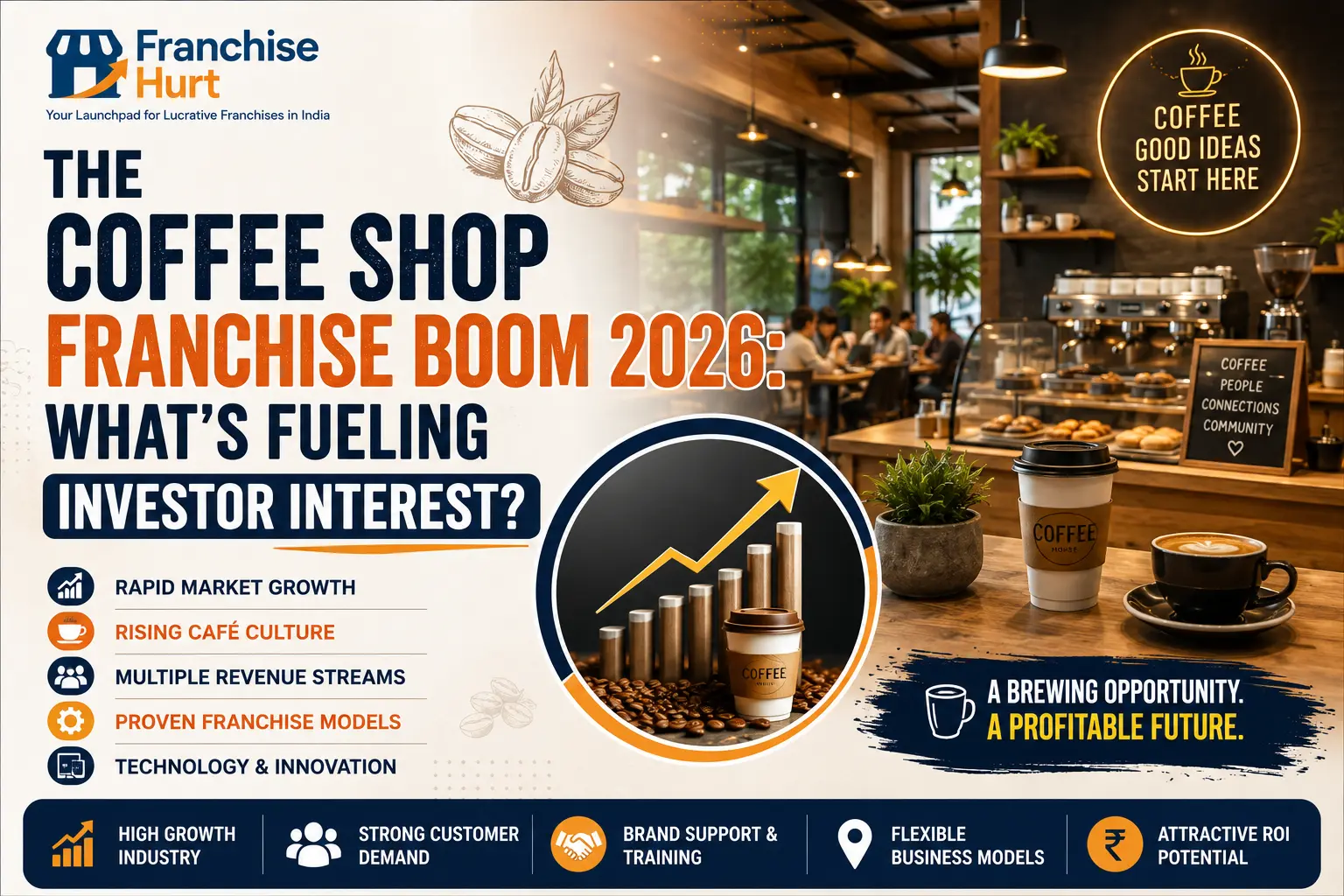
The Coffee Shop Franchise Boom 2026: What’s Fueling Investor Interest?
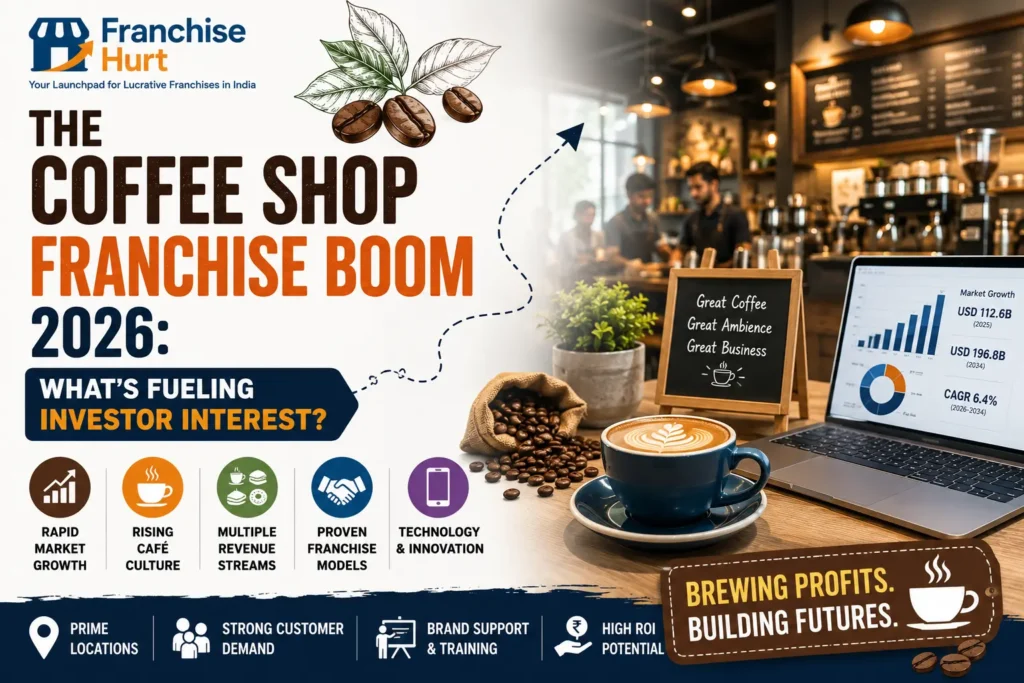
Quick Overview
| Particular | Details |
|---|---|
| Industry | Coffee Shop Franchise |
| Market Outlook | Rapidly Growing Worldwide |
| Global Market Size (2025) | USD 112.6 Billion |
| Projected Market Size (2034) | USD 196.8 Billion |
| Expected CAGR (2026–2034) | 6.4% |
| Key Growth Drivers | Premium Coffee, Café Culture, Digital Ordering, Urbanization |
| Popular Business Models | Café, Kiosk, Drive-Thru, Mobile Coffee Truck, Hybrid Café |
| Revenue Sources | Coffee, Beverages, Food, Merchandise, Catering, Online Sales |
| Best Locations | Offices, Colleges, Shopping Malls, High Streets, Airports |
| Ideal For | First-Time Entrepreneurs & Experienced Investors |
Table of Contents
Coffee shop franchise – the best lifestyle business concept Today, your average coffee shop is much more than just a spot to grab your morning coffee or enjoy a hot cup with friends. They have become lifestyle hubs that encourage community, business, collaboration and simply unwinding over a great cup of coffee. In this regard, purchasing a coffee shop franchise has come to be identified as one of the profitable ventures in the food and beverage business.
DataIntelo Coffee Shop Market Report indicates that the global coffee shop market is worth USD112.6 billion in 2025, with an anticipated size of USD196.8 billion in 2034 and an CAGR of 6.4% for 2026-2034.Coffee market trends are on an incline, mainly driven by premium coffee products, increasing global cafe culture across both developed and emerging markets, and greater reach of coffee shop brands to new areas.
Why Coffee Shop Franchises Are Gaining Investor Attention
For many budding entrepreneurs who are considering starting their own business but would also like to maintain some entrepreneurial autonomy, a coffee shop franchise is a popular and potentially lucrative investment. Rather than building a cafe from scratch, franchisors provide business owners with the luxury of an established brand, tested operational strategies, established supply chain, staffing support, and a business coach. It eliminates some of the risk associated with starting a new venture.
Furthermore, it’s hard to beat the established familiarity customers associate with many of the coffee franchises in operation today. People feel more comfortable with a recognizable name than they may do with a newly established local business.
The Growing Popularity of Café Culture
The Coffee Shop of Today Beyond the Brew For the typical coffee drinker, coffee shops have transcended the boundaries of mere java-slinging locations. The modern coffee shop has become a nexus of communities-an informal meeting space for employees, a temporary home office, and a cozy space for people to pass the time. The trend towards a growing city life, new patterns of work and a different pace of life have created space for a caf on most people’s day to day agenda.
If they are looking for an optimal work spot to read or write, if they want an optimal location for professional gatherings, or simply because remote workers like comfy furniture, Wi-Fi connection and an ambiance of productivity, the local caf is definitely the way to go. The social media revolution and the boost of caf culture can definitely help, given that the cafeterias and coffee shops can entice patrons to post photos of drinks which, in their visual aspect, are rather spectacular, as well as attractive decor, not to mention their individual atmospheres which all make for amazing shots.
Proven Franchise Models Reduce Business Risk
A huge benefit of buying a coffee shop franchise is lower operating risk. Independent shops may take several years to discover what works and what doesn’t in their operation, marketing and supply chain. With a franchise you’ll buy into proven systems with a track record of success in several locations.
Franchisees get full training, operational guides, site selection assistance, marketing and support. Many franchises also have buying agreements which provide access to quality products at wholesale prices.
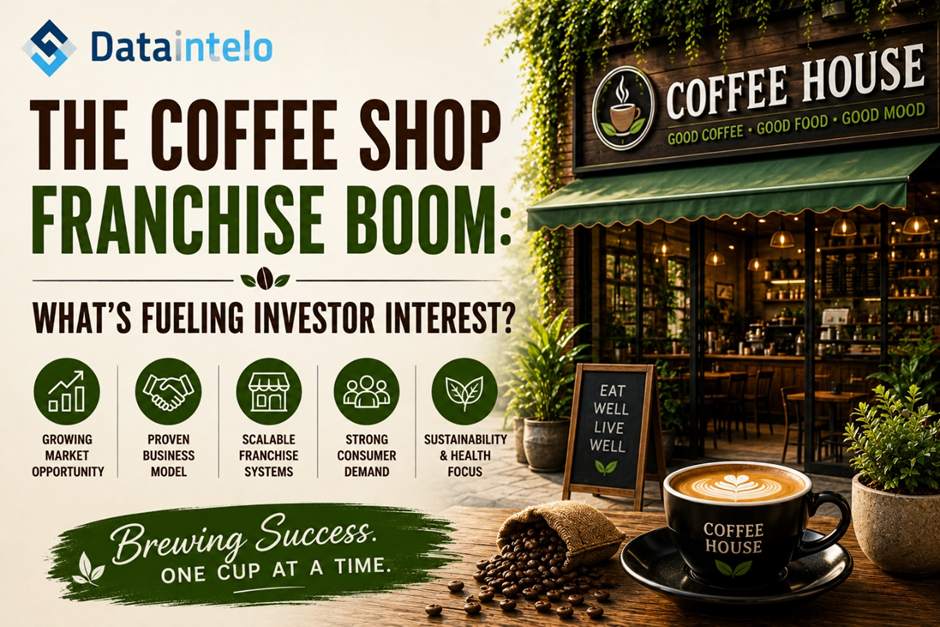
Premium Coffee Trends Are Driving Consumer Spending
Consumer behaviour toward coffee consumption has changed rapidly over the past decade. More and more customers are willing to trade up to premium products for their morning coffee with more distinctive tastes and superior experiences. The trend towards cold brew coffee, nitro coffee, handcrafted coffee beverages, espresso-based coffee drinks, and even plant-based milks, has made these products particularly appealing to the younger generations. Seasonal drink offerings and limited time menu items keep the customer interested and can result in an increase in frequency of visits to your coffee shop.
More of today’s coffee shops feature wider variety of products and menu that also includes breakfast entrées, upscale sandwiches, snack, pastries and desserts, the offerings range from the expansive, which contribute to greater customer experience and value, resulting in more amount spent per customer’s purchase.
Technology Is Transforming Coffee Shop Operations
Digitalisation Is Vital to A Coffee Shop’s Success. Using innovative technologies, the owners of franchise coffee shop can optimise efficiency and customer satisfaction. These technologies range from a mobile app to a loyalty programme.
Using a mobile app, for example, enables a business to streamline the customer’s ordering experience by enabling customers to order in advance of reaching the premises. Alternatively, it is possible to accept payments on a contact basis, and there is even a loyal programme on an app that provides discount codes for repeat customers. Using inventory management tools, coffee shop owners are able to track ingredients to forecast the needs for the future.
This not only minimises food waste but helps a business understand what ingredients are most in demand to help develop an ideal customer experience. AI technologies can further support the owner of a coffee shop in optimising purchasing decisions, as they assist in predicting how often items will need to be bought to serve their customers.
Research Insights
The global coffee shop industry continues to witness strong growth as consumer preferences shift toward premium beverages, modern café experiences, and convenience-driven services. According to the DataIntelo Coffee Shop Market Report, the global coffee shop market is valued at USD 112.6 billion in 2025 and is projected to reach USD 196.8 billion by 2034, growing at a Compound Annual Growth Rate (CAGR) of 6.4% during the forecast period.
Several factors are contributing to this growth:
- Rising demand for premium coffee and specialty beverages.
- Expansion of café culture in both developed and emerging markets.
- Increasing popularity of remote working and café workspaces.
- Growth of digital ordering, mobile apps, and loyalty programs.
- Expansion of drive-thru, kiosk, and hybrid café formats.
- Growing consumer interest in sustainable and ethically sourced coffee.
- Higher spending on handcrafted beverages and premium café experiences.
- Multiple revenue streams through beverages, snacks, merchandise, and online sales.
Technology is also transforming coffee shop operations. Many franchise brands now use digital ordering systems, contactless payments, AI-powered inventory management, customer loyalty programs, and mobile applications to improve operational efficiency and customer retention.
Industry experts also emphasize that selecting the right location remains one of the most important factors for franchise success. Coffee shops located near office complexes, educational institutions, shopping centres, hospitals, transportation hubs, and residential communities generally enjoy higher customer footfall and stronger long-term business performance.
Multiple Revenue Streams Improve Business Stability
Unlike the restaurant sector, that may experience a strong dependency on lunch and dinner, coffee retailers create profit the whole day long. During the morning hours workers get pleasure from a take-away coffee in their journey to work; learners frequently get together at afternoon break; experts utilize cafés as places to meet business clients and in the afternoon the whole family is available for a leisurely chat. In addition to the direct purchase of beverages numerous coffee retailers draw profits from a retail sale of packed coffee beans, gift products, T-shirts, gift cards and provide catering and online shipping options and a coffee-box delivery.
This helps franchise ventures maintain high level during a period of time, which might cause significant profit losses. Take-away businesses, airport and business lounges, kiosks, and small coffee shops located within stores further diversify a range of commercial business premises and customer accessibility.
Sustainability Has Become a Competitive Advantage
Nowadays a major buying consideration for any organisation is their environmental standing.Many coffee consumers are increasingly seeking brands that show authentic interest in environmental concerns. Coffee franchises are now stepping up to offer a range of eco-friendly measures.
From recyclable cups and reusable coffee cups to ethically sourced coffee, low-energy equipment and waste management systems – they’re making changes. A number of brands have now built relationships with coffee-producing communities so that ethical farming methods are guaranteed for the future of their coffee supply chains.
The Importance of Location in Franchise Success
Location is still a most important consideration in the success of your coffee business. Franchise companies know that customer demographics, traffic patterns, nearby businesses, access to customers, adequate parking, and competitive conditions are important before they lease space for new locations. Coffee shops located close to office complexes, colleges and universities, malls and other retail complexes, hospitals, major transportation areas and apartment or residential complexes generally have access to the customer base they need to operate at full capacity throughout the day.
Several franchise companies will work with potential franchisees to perform an in-depth location analysis to increase the odds of business success for their new locations.
Digital Marketing and Customer Loyalty Drive Repeat Business
These days, a majority of coffee franchises today take on digital marketing strategies in an effort to foster strong relationships with their customer base over the years. This can range from social media marketing, leveraging influencer, e-newsletters and even developing mobile apps in order to help them maintain constant customer contact. A other highly beneficial marketing method that is offered for franchising is using loyalty programmes as the incentive for discounts on products/services in order to persuade the customer to purchase on multiple occasions.
Also, these digital approaches allow franchisees to capture important data and insights that can help them understand their customers’ behaviour and make smarter marketing decisions. The increased consumer interaction can help drive up customer retention which is an essential metric in business success and profitability.
Emerging Opportunities Beyond Traditional Cafés
Coffee businesses have remained competitive by implementing new business models to capitalize on new consumer demands. The market continues to expand as a result of: drive-thru coffee businesses, compact kiosks, mobile coffee trucks, hybrid bakery-cafs, and co-working coffee spaces. Additionally, to address the growing health and wellness trend among consumers, many businesses have also begun offering such options as sugar-free drinks, protein-rich beverages, functional coffees, and plant-based alternatives.
Coffee businesses that consistently adapt their product lines in the face of changing trends are able to better maintain their competitive position in the industry. These evolving coffee concepts offer new franchising options for entrepreneurs looking for a variety of franchise opportunities.
Challenges Investors Should Consider
Even though coffee franchises can bring about substantial opportunity, investors must make sure they consider multiple components before sinking cash into their new business venture. From franchising fees and royalties to staff shortages and local competition, many variables are important for success over time, along with lease arrangements and a strong supply chain, local demographics and fluctuating consumer tastes. Investing wisely and knowing your neighbourhood are vital first steps for a prosperous coffee company.
The Future Outlook for Coffee Shop Franchises
Franchises that specialize in coffee shops would appear to have great potential, given the popularity of high-quality beverages, customer service with personal attention and the element of convenience. Given rising levels of demand, the industry growth is further supported by advancements in technology, eco-friendly methods, urbanisation and the rising culture of drinking coffee. As the digital transformation continues to change the industry, the coffee shops that consistently innovate their product offerings, offer their clients excellent care, prioritize environmental issues and stay up-to-date on the latest technology will be poised to perform well.
Conclusion
Coffee shop franchises are no longer simply businesses for drink connoisseurs – they are in fact lifestyle concepts that unite popular consumer trends with a proven, reproducible business model and a high potential for ongoing income. Their capacity for adaptability with regards to trends, tech innovations, and consumer satisfaction means these types of businesses now have a place in the top investment opportunities of the food and beverage market. As cafe culture grows in all countries around the globe, those who invest in trustworthy franchise systems, select the right premises and commit to exceptional service delivery will find themselves perfectly placed to profit from continued market growth.
They are, therefore, suitable for first time business owners as much as experienced entrepreneurs wanting to expand their existing portfolios.
Reference: https://dataintelo.com/report/coffee-shop-market
Frequently Asked Questions (FAQs)
1. Why are coffee shop franchises becoming popular?
Ans: Coffee shop franchises are gaining popularity because they offer established branding, operational support, growing consumer demand, and multiple revenue streams, making them attractive business opportunities.
2. What is driving the growth of the coffee shop market?
Ans: Growing café culture, premium coffee demand, urbanization, digital technology, and increasing consumer spending are among the key drivers of market growth.
3. Is a coffee shop franchise suitable for first-time entrepreneurs?
Ans: Yes. Most franchise brands provide training, operational guidance, marketing support, and standardized business systems, making them suitable for first-time business owners.
4. What are the major revenue sources for coffee franchises?
Ans: Revenue comes from coffee, specialty beverages, breakfast items, pastries, snacks, desserts, merchandise, catering services, and online ordering.
5. Which locations are best for a coffee franchise?
Ans: Locations near offices, colleges, shopping malls, airports, hospitals, transportation hubs, and residential communities generally perform well.
6. How does technology help coffee franchises?
Ans: Technology improves customer experience through mobile ordering, digital payments, loyalty programs, inventory management, AI forecasting, and customer relationship management.
7. Are coffee franchises environmentally sustainable?
Ans: Many coffee brands now focus on recyclable packaging, ethically sourced coffee beans, reusable cups, energy-efficient equipment, and sustainable business practices.
8. What should investors consider before investing?
Ans: Investors should evaluate franchise fees, operating costs, location, competition, staffing, lease agreements, supply chain, and long-term market demand before investing.